
By late March, everyone in the neighborhood is ready for spring.
Then Michigan delivers one more snowfall.
The forecast has been a topic of neighborhood irritation for days. Somebody says the snow will miss Midland. Somebody else predicts a foot. By morning, every branch along the street is outlined in white and the usual rush of cars has been replaced by muffled footsteps. People peek out of windows in various stages of disbelief. A man walks his dog and returns wearing snow in his eyebrows. Two small children test a sled on a gentle, permitted hill in the park, then decide the walk home is more exciting because the snow is fresh enough to make new tracks. A pair of neighbors brings out their fat-tire bikes after checking the route. By midmorning someone has set a thermos of First Shovel coffee on a covered porch with a handwritten invitation to help themselves. People stop, first for caffeine, then because someone they know is already there.
The first conversation happens over a stubborn car door. A neighbor leans across the sidewalk to help brush away snow while its owner tries not to drop a grocery bag. They laugh, exchange a remark about March weather, and remember that they have not actually spoken since autumn. Farther down the block, two children begin gathering snow into an enormous mound. A passing teenager offers advice from his experience building much more ambitious forts years before, then finds himself helping. Somebody plays music softly from a garage. The retired machinist appears with a toolbox and asks whether anyone has a broken sled, a question so specific it sounds as though he has been waiting all winter to ask it. The community has not become a different place. The people have simply stepped outside long enough to see one another again. Even those who remain indoors are waving from windows.
The block doesn't become a perfect picture of community. One family is worried about the driveway, another has an afternoon appointment to make, and a child has a meltdown because a snowman's nose won't stay attached. But the obstacles slow the day enough for people to notice each other. The retired machinist at the corner bends over a broken sled runner with a teenager who has lived two houses away for years without learning his name. A couple carrying their toddler chats with the woman who always leaves spare sidewalk salt outside her garage. Later someone brings out a tray of warm rolls and everybody pretends not to have already eaten lunch. They exchange weather complaints, school news and plans for spring gardens. By late afternoon the cloud cover thins, showing pink light over the roofs. A little red sled is left against a fence, its rope half-buried. There will be puddles and wet boots tomorrow, and perhaps the whole thing will feel like a nuisance again. For a few hours, though, the neighborhood has made a small occasion out of one more inconvenient gift from winter.
Right now, it's beautiful.
And everyone is outside.
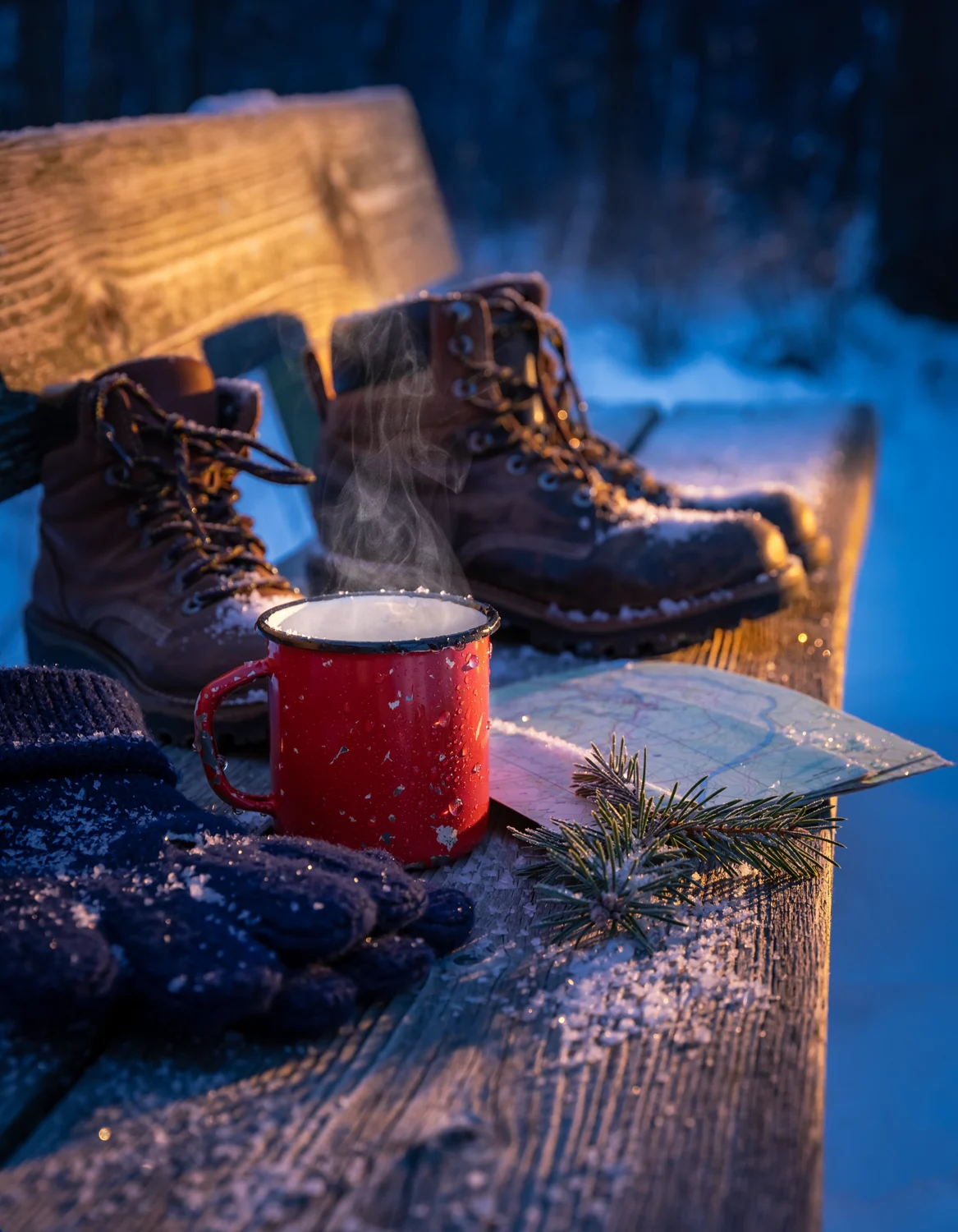
Setting artwork is illustrative; it does not depict the story’s cast or document an event.