
Rebecca and her brother Sam have been coming to the same patch of family woodland since they were children.
Their father taught them to hunt carefully, respect the land, and never take more than they needed.
Their father's old truck is gone, but Rebecca remembers exactly how it sounded starting on cold mornings. He would scrape the windshield while Sam checked that everyone's boots were tied, then remind the two children that a hunt began long before they entered the woods. Check the season. Confirm permission. Keep the muzzle in a safe direction. Know what's beyond the target. Pay attention to what the land is telling you. Now Rebecca and Sam make their own preparations, starting with a thermos filled at Northern Specialty Coffee Roasters in Iron Mountain, which their father would have called an extravagance and then finished. They match current rules to their location and decide to walk a familiar piece of legally accessible family woodland. The snow has softened the contours of the old logging trail. They find the stump where their father liked to sit and listen, and Sam remembers the sandwiches he packed—white bread, mustard, far too much onion. Rebecca claims she can still smell them. There is a small red ribbon on the edge of her gear, a reminder of an old repair their father once made.
The path bends toward a stand of trees where their father once taught them how to tell fresh sign from marks left hours earlier. Rebecca remembers being too impatient to listen. Sam remembers trying to impress their dad by identifying everything correctly. They laugh about a time Sam confidently announced that an enormous set of tracks belonged to a bear, only to discover that the neighbor's dog had been dragging a branch. Rebecca has carried those mornings into adulthood differently from her brother. For her, the lesson was that observation matters more than certainty. For Sam, it was that a good teacher can correct you without making you feel foolish. They spend several minutes in silence, reading the snow and adjusting their route without disturbing animals unnecessarily. At a clear spot they pause to check the time and the light, mindful of when they need to return. Their father would have approved of that small, unromantic decision.
They travel slowly, stopping to read sign in the snow without assuming any particular animal will appear. For years Rebecca thought hunting meant bringing something home. As an adult she understands the practice also taught their father how to pay attention: to weather changes, tracks, wind, habitat, and the weight of deciding whether to take a shot. Sam talks about how quiet the house has become since their dad died. Rebecca says she'd almost forgotten the way he whistled while cleaning gear in the garage. They stop at the stump and drink coffee, remembering him not as a flawless teacher but as the man who could misplace his glasses three times in a morning. At one point a rustle catches their attention; both pause and assess, then decide to keep walking. It isn't the day to force anything. Back at the house they thaw out over coffee in the Lake Effect mugs, inspect their equipment, and begin chopping vegetables for stew. Sam finds the old recipe card folded into a cookbook. In the margin, their father had written: 'More pepper.' Neither sibling is surprised.
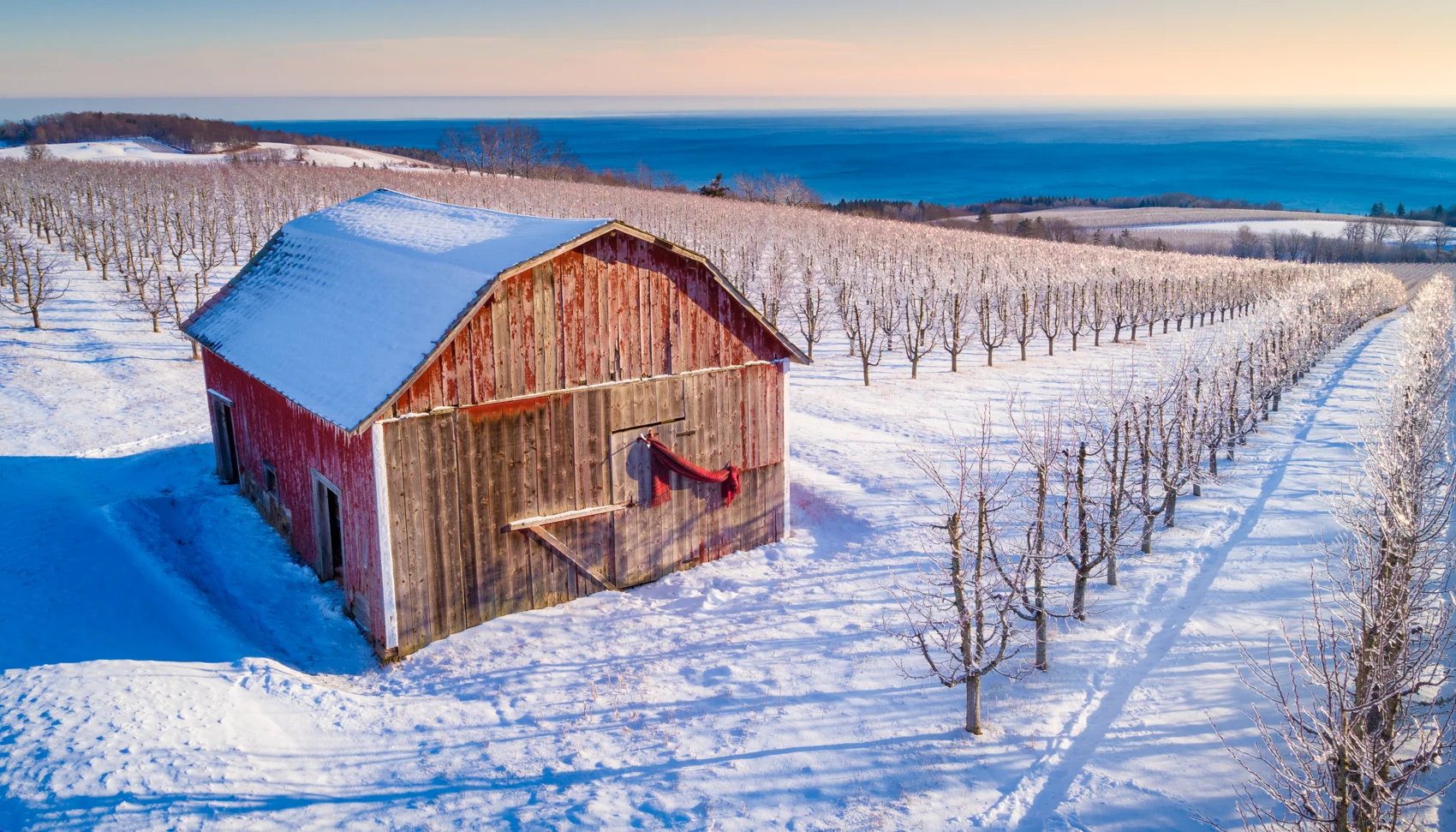
Setting artwork is illustrative; it does not depict the story’s cast or document an event.